
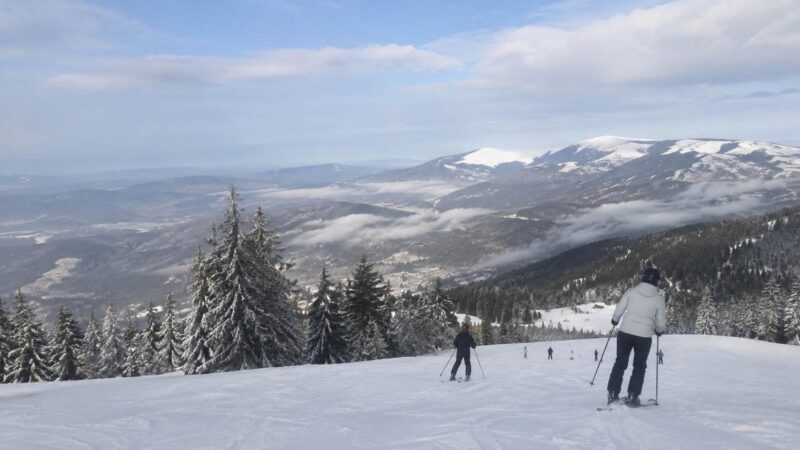
Two Olympic mountains near Sarajevo and a family-friendly ski resort in central Bosnia offer three very different winter holidays.
Jahorina has the largest network of slopes, Bjelašnica attracts skiers looking for more demanding terrain, and Vlašić offers a relaxed mountain atmosphere with easier runs.
Skiing in Bosnia and Herzegovina can also be less expensive than visiting many major Alpine destinations, although accommodation, lift passes and transport costs vary considerably.
If you’re planning a winter trip, choosing the right mountain matters more than simply finding the closest resort. Here’s how Jahorina, Bjelašnica and Vlašić compare in terms of slopes, facilities, accessibility and overall skiing experience.
Jahorina: Best for a Multi-Day Ski Holiday
Located approximately 28 to 32 kilometres by road from Sarajevo, depending on the route, Jahorina is one of Bosnia and Herzegovina’s most developed ski resorts.
It gained international recognition during the 1984 Winter Olympics, when it hosted the women’s alpine skiing competitions.
Today, Jahorina offers around 54 kilometres of groomed alpine slopes, according to the official Olympic Center Jahorina website.
Its skiing terrain extends from approximately 1,300 metres to nearly 1,900 metres above sea level, giving visitors access to different slopes and mountain conditions.
What is skiing on Jahorina like?
Jahorina’s main advantage is variety.
Beginners can practise around Poljice and other designated learning areas, while intermediate skiers have numerous longer runs to choose from.
More experienced visitors can try steeper sections, including slopes associated with the mountain’s Olympic history.
Modern gondolas, chairlifts and snowmaking infrastructure help support a relatively extensive skiing experience. Night skiing is another attraction, although illuminated runs and operating schedules depend on conditions.
Accommodation is concentrated around several mountain areas, with hotels, apartments, restaurants and après-ski venues.
This makes Jahorina particularly convenient for travellers spending three or more days on the mountain.
- Best for: Intermediate skiers, mixed-ability groups and visitors planning a longer ski holiday.
- Things to consider: Jahorina is popular during weekends and school holidays. Accommodation near the lifts can be more expensive, and some slopes become crowded during peak periods.
How to Reach the Ski Resorts from Croatia and Other Countries
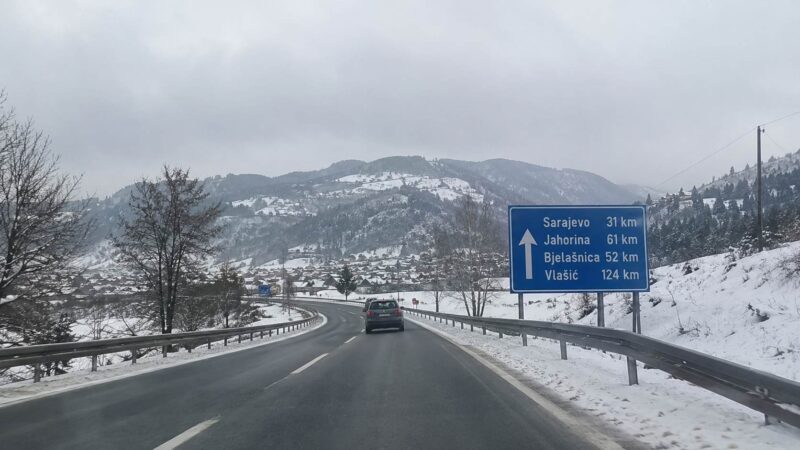
Sarajevo is the most practical base for reaching Jahorina and Bjelašnica. Travellers can arrive through Sarajevo International Airport or use regional bus connections to reach the city.
Those planning a longer Balkan holiday may also combine destinations in Croatia and Bosnia and Herzegovina.
For travellers who prefer exploring at their own pace, a winter mountain holiday can also be part of a longer journey inspired by some of Europe’s most memorable scenic road trips.
For example, bus travel between Bosnia and Croatia is available through Livno Bus, which operates connections involving cities such as Sarajevo, Split, Mostar and Zagreb.
However, reaching the main ski areas usually requires an additional journey from the nearest city.
From Sarajevo, Jahorina is roughly 30 kilometres away by road, while Bjelašnica’s Babin Do ski area is approximately 25 kilometres from the capital.
Visitors can arrange private transfers, use seasonal shuttle services where available or rent a car.
For Vlašić, Travnik is a useful access point, with the Babanovac ski centre located approximately 28 kilometres away.
If travelling with ski equipment, check luggage policies before booking buses or transfers. Winter road conditions can also increase journey times, particularly after heavy snowfall.
Bjelašnica: Best for Experienced Skiers and Olympic History
Bjelašnica has a different character from Jahorina.
During the 1984 Winter Olympics, it hosted the men’s downhill, slalom and giant slalom competitions. Its steep terrain and exposed upper slopes remain defining features of the mountain.
The summit reaches 2,067 metres above sea level, making Bjelašnica higher than Jahorina.
The main ski area is Babin Do, where visitors can find accommodation, ski schools, equipment rental and access to the slopes.
According to the official Olympic Center Bjelašnica, the Babin Do area offers approximately 14 kilometres of alpine skiing runs.
Is Bjelašnica suitable for beginners?
Yes, although beginners should choose their skiing areas carefully.
Babin Do has learning zones and easier runs, but the mountain is particularly attractive to confident intermediate and advanced skiers.
Its upper terrain offers a more challenging experience, with steeper gradients and greater exposure to changing weather conditions.
Travellers who enjoy rugged landscapes beyond the ski season may also be interested in some of the best hiking destinations in Europe, where steep terrain and unpredictable mountain weather create similar challenges.
Strong winds and fog can sometimes affect visibility and lift operations. This is especially important for visitors unfamiliar with mountain skiing.
On clear days, however, Bjelašnica offers impressive views across the surrounding Dinaric mountains.
The resort is also convenient for travellers staying in Sarajevo who want to combine skiing with visiting the city’s historical attractions.
- Best for: Confident intermediate and advanced skiers, Olympic history enthusiasts and visitors who enjoy challenging terrain.
- Things to consider: Weather conditions can be unpredictable, and the smaller ski area offers less variety than Jahorina for a longer holiday.
Vlašić: Best for Families and Relaxed Winter Breaks
Vlašić is located in central Bosnia and Herzegovina, approximately 28 kilometres from Travnik.
Unlike Jahorina and Bjelašnica, its main appeal is not Olympic racing history or extensive high-altitude skiing.
Instead, Vlašić is known for recreational skiing, mountain cottages and a relaxed holiday atmosphere.
The principal ski area is Babanovac, where much of the accommodation is situated close to the slopes.
Regional ski tourism information lists approximately 15 kilometres of runs, although published totals vary depending on which skiing areas and facilities are included.
The main Babanovac skiing terrain extends from approximately 1,235 to 1,525 metres above sea level.
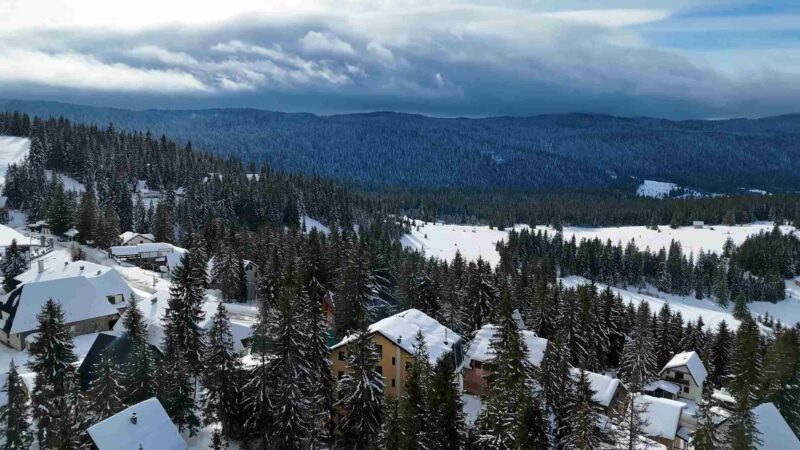
Why do families choose Vlašić?
The mountain has several relatively gentle slopes that are suitable for learning and recreational skiing.
Ski schools and equipment rental services are available, and families can choose accommodation near the main skiing areas.
This can be particularly convenient when travelling with younger children who may need regular breaks.
Vlašić also offers a different experience outside skiing hours.
Traditional restaurants serve regional dishes, while mountain cottages provide an alternative to larger resort hotels.
This combination of outdoor activities and cosy mountain accommodation is also popular in other destinations, including Mammoth Lakes, California.
One local speciality worth trying is Vlašić cheese, traditionally associated with sheep farming on the mountain.
- Best for: Beginners, families with children, recreational skiers and travellers who prefer a quieter winter holiday.
- Things to consider: Experienced skiers may find the available terrain limited. The lower elevation also makes checking snow conditions particularly important before travelling.
Jahorina vs. Bjelašnica vs. Vlašić: Ski Resort Comparison
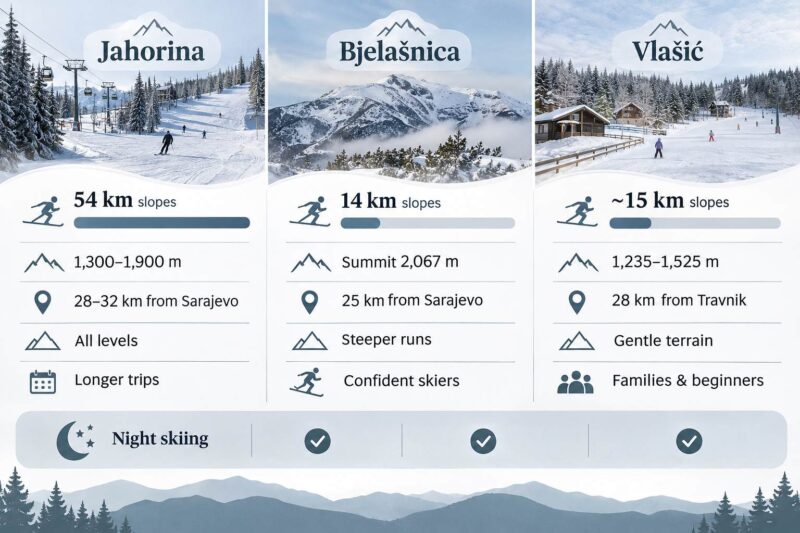
The table below compares the main characteristics of the three destinations.
| Feature | Jahorina | Bjelašnica | Vlašić |
| Nearest major city | Sarajevo | Sarajevo | Travnik |
| Approximate road distance | 28–32 km from Sarajevo | 25 km from Sarajevo | 28 km from Travnik |
| Reported ski slope length | 54 km | 14 km | Around 15 km |
| Main skiing elevation | 1,300–1,900 m | Reaches 2,067 m | 1,235–1,525 m |
| Terrain | Beginner to advanced | Beginner to advanced, including demanding slopes | Mainly easy and intermediate |
| Night skiing | Available | Available | Available |
| Resort atmosphere | Lively, well-developed | Sport-focused | Relaxed, family-oriented |
| Best choice for | Longer ski holidays | Confident skiers | Families and beginners |
Figures are based on published resort and regional tourism information. Lift availability, accessible terrain and slope totals can change between seasons.
Which resort is best for your skiing ability?
For complete beginners, Vlašić is an appealing option because of its gentler terrain and compact resort layout. Jahorina is another good choice, particularly for groups that include people with different skiing abilities.
Intermediate skiers will generally find the greatest variety at Jahorina, where the extensive slope network makes it easier to plan several days without repeatedly skiing the same runs.
Advanced skiers should consider Bjelašnica for its challenging upper slopes. Jahorina also has demanding terrain, but offers a broader selection of easier alternatives.
The best resort ultimately depends on which slopes are open during your visit, not just the total number of kilometres advertised.
Can You Ski at More Than One Resort During the Same Trip?
Yes, particularly if you’re staying in Sarajevo.
Jahorina and Bjelašnica are located on opposite sides of the capital, making it possible to visit both during one holiday.
For a four-day trip, you could spend two days skiing at Jahorina, one day at Bjelašnica and another day exploring Sarajevo.
This arrangement works well for travellers who want to experience different mountains without changing accommodation.
However, travelling directly between Jahorina and Bjelašnica is less convenient than visiting either resort from Sarajevo. You should plan your transport separately for each day.
Vlašić is farther away in central Bosnia, so combining it with the Sarajevo resorts requires more travel.
For visitors who want to ski at all three mountains, a longer road trip with an overnight stay near Travnik is generally more practical.
When Is the Best Time to Go Skiing in Bosnia and Herzegovina?
The skiing season typically runs from December into March, depending on snowfall, temperatures and lift operations.
January and February are often the most reliable months, but even during midwinter, conditions can change quickly.
Jahorina benefits from extensive snowmaking infrastructure, which can help maintain groomed runs during periods of limited natural snowfall.
Bjelašnica’s higher elevation can provide favourable winter conditions, but strong winds may interrupt skiing.
Vlašić’s lower skiing terrain makes it more vulnerable to warmer weather and inconsistent snow cover.
- Open slopes and lifts: A resort may be operating even when only part of its skiing terrain is available.
- Weather forecasts: Wind, visibility and temperature can be just as important as snow depth.
- Road conditions: Mountain access roads may require winter tyres or additional equipment under local regulations.
For visitors with flexible schedules, weekdays outside school holidays can also mean shorter lift queues and quieter slopes.
How Much Does a Ski Holiday Cost?
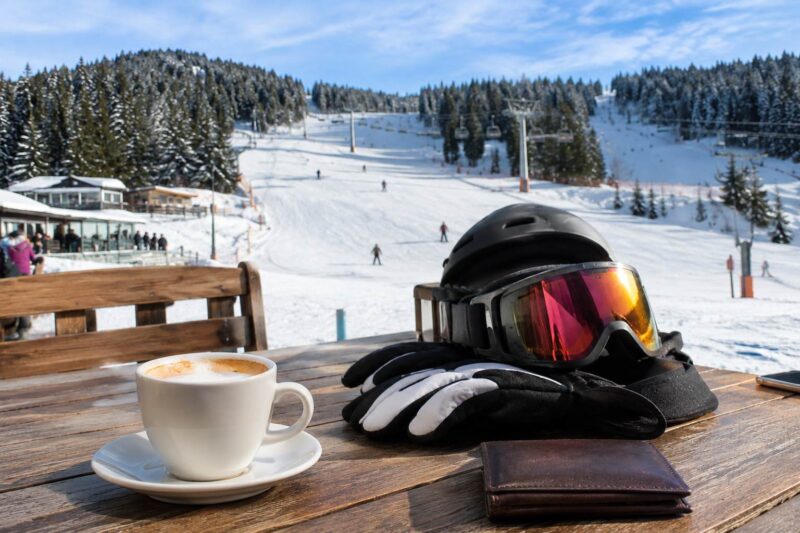
Bosnia and Herzegovina can offer good value compared with larger European ski destinations, especially for travellers who choose apartments or family-run accommodation.
However, costs vary significantly between the three mountains.
Jahorina generally has the broadest selection of higher-end hotels and resort facilities. This can make it more expensive during popular winter periods.
Bjelašnica offers a mix of hotels and apartments, with Sarajevo providing additional accommodation options for visitors willing to travel to the slopes each day.
Vlašić is often attractive to families and groups looking for cottages or apartments near the ski lifts.
When comparing prices, calculate the full daily cost rather than focusing only on accommodation.
Include lift passes, ski rental, lessons, meals, parking and transfers.
A cheaper apartment far from the slopes may not be better value once daily transport is included.
Similarly, beginners who plan to spend only a few hours skiing each day should compare short-duration lift passes with full-day tickets where available.
For current prices, consult the official websites of Olympic Center Jahorina and Olympic Center Bjelašnica, along with local Vlašić ski operators.
Which Bosnian Ski Resort Should You Choose?
- Choose Jahorina if you want the widest selection of slopes, modern infrastructure and enough variety for several days of skiing. It is the strongest all-round option for groups with mixed abilities.
- Choose Bjelašnica if you’re a confident skier who enjoys challenging runs and dramatic mountain scenery. Its Olympic history adds another reason to visit.
- Choose Vlašić if you’re travelling with children, learning to ski or simply prefer a relaxed winter break with traditional mountain accommodation.
For visitors staying in Sarajevo, combining Jahorina and Bjelašnica offers an opportunity to experience two contrasting Olympic mountains during one trip.
Whichever destination you choose, check current mountain conditions and transport options before setting off. A well-planned trip will make far more difference to your skiing experience than choosing a resort based on size alone.