
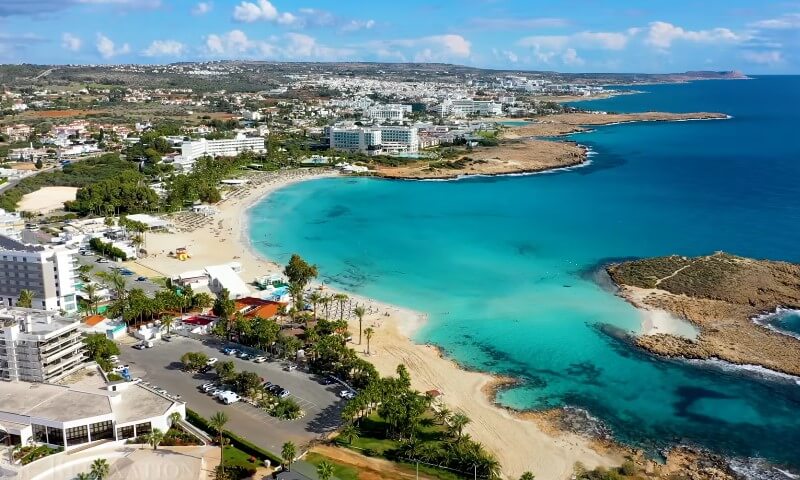
Cyprus brings Mediterranean beaches, mountain villages, pine forests, vineyards, archaeological sites, and historic towns together on a compact island.
Relatively short driving distances allow travelers to combine swimming, mountain walks, ancient ruins, village meals, and coastal towns during the same trip.
Its location between Europe, Asia, and the Middle East has shaped Cypriot food, architecture, crafts, and traditions.
Greek, Turkish, Middle Eastern, and wider Mediterranean influences appear across everyday life.
Resort areas may introduce many visitors to Cyprus, but some of the island’s strongest experiences lie in traditional villages, archaeological zones, protected coastal areas, forests, and mountain communities.
Troodos Mountains and Traditional Villages in Cyprus
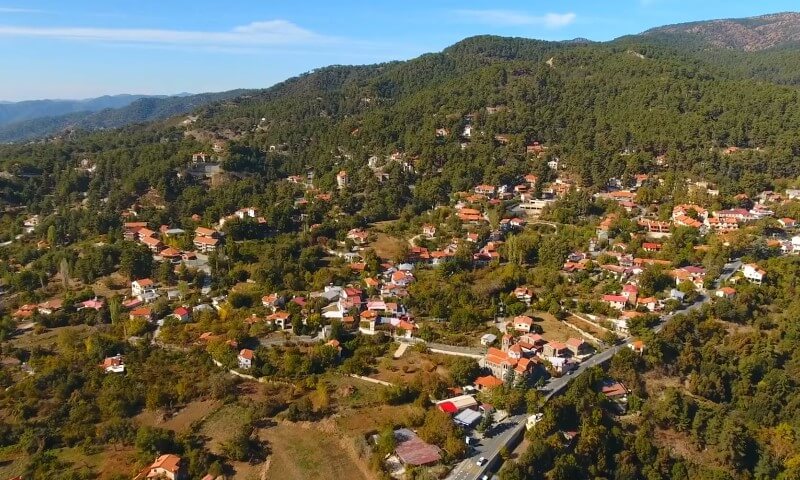
Troodos changes the pace of a Cyprus trip. Pine forest, vineyards, waterfalls, monasteries, Byzantine churches, mountain roads, and stone villages replace the hotter coastal setting.
Mount Olympus reaches just under 2,000 meters, bringing noticeably cooler temperatures at higher elevations. Summer days can feel significantly more comfortable here than in coastal cities or the central lowlands.
Artemis Trail and Atalanti Trail run at roughly 1,800 meters near Mount Olympus. Both pass through black pine and Troodos juniper areas, including trees more than 800 years old.
Several villages work particularly well as stops during a mountain route:
- Omodos – Known for wine traditions, stone streets, tavernas, wineries, and local products.
- Lefkara – Known for traditional lace, silverwork, stone architecture, and narrow streets.
- Kakopetria – Known for its old village quarter, mountain setting, streams, and traditional houses.
Traditional stone houses shape much of the visual identity of Cyprus’s mountain villages, while newer residential projects increasingly use modern construction systems.
Travelers interested in local architecture or property development can also look at steel frame home builders in Cyprus for examples of contemporary building approaches on the island.
Millomeris Waterfall adds a short nature stop near the southern side of Troodos. Kykkos Monastery requires a longer mountain drive but rewards visitors with one of Cyprus’s most important religious sites.
Paphos Forest occupies a broad area of western Troodos, with remote valleys, indigenous cedar trees, quiet roads, and relatively little development.
What is the Best Time to Visit Cyprus?
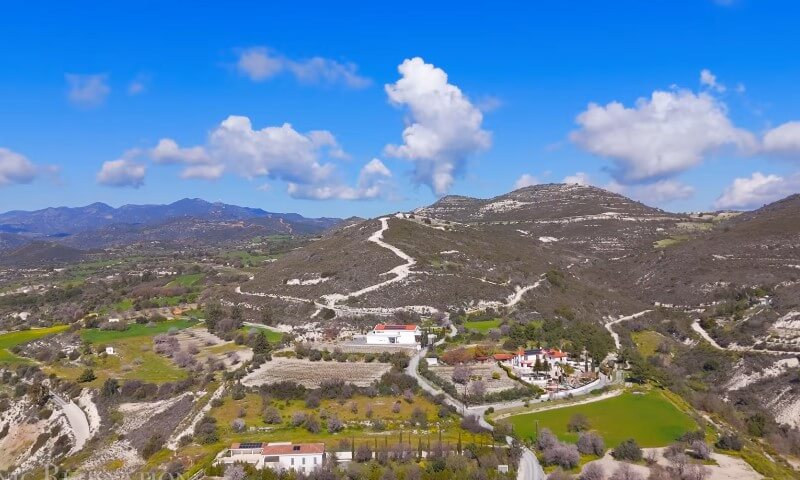
More than 300 days of sunshine each year give Cyprus a long travel season.
Conditions change noticeably between the coast, interior plains, and Troodos Mountains, so timing matters most when a trip combines beaches with hiking or sightseeing.
Each season suits a different type of trip:
- Spring – Green hills, wildflowers, comfortable temperatures, and excellent hiking conditions.
- Summer – Hot, dry weather suited to swimming and beach holidays, with the largest crowds in major coastal resorts. Inland temperatures can become extremely high.
- Autumn – Warm seawater and milder daytime temperatures make sightseeing and outdoor activities easier.
- Winter – Quieter cities and archaeological sites, cooler weather, and occasional skiing in the Troodos Mountains.
May, June, September, and October usually provide a particularly strong balance of warm weather and fewer visitors than July and August.
What are the Best Beaches and Coastal Destinations?
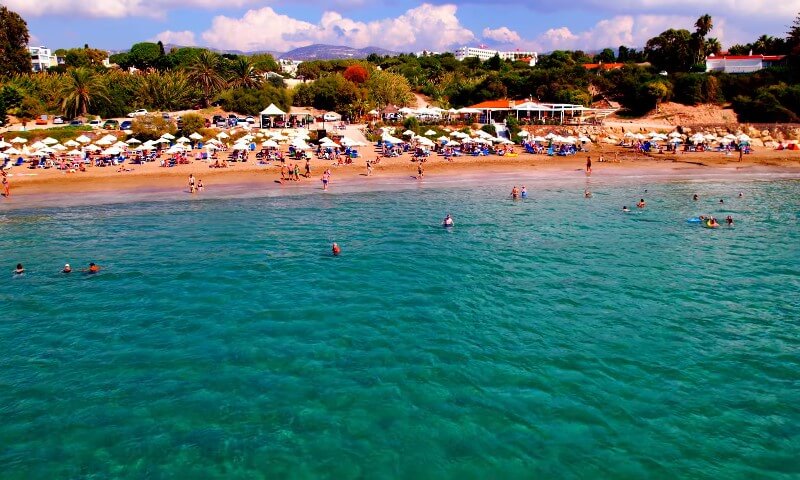
Cyprus has several distinct coastal regions, so choosing a base depends on the type of trip.
Paphos combines archaeology with beaches, Limassol works well for coast-and-mountain itineraries, while Ayia Napa and Protaras put some of the clearest eastern waters within easy reach.
Paphos and the West Coast
UNESCO-listed Paphos combines major archaeological sites with beaches, a harbor, coastal walking paths, and easy access to western Cyprus.
Several places deserve dedicated time:
- Paphos Archaeological Park – Ancient ruins and well-preserved Roman mosaics near the waterfront.
- Tombs of the Kings – Large underground burial chambers cut directly into rock.
- Paphos Castle and harbor – A compact medieval fort beside the waterfront promenade.
- Coral Bay – A popular sandy beach north of central Paphos.
Coastal paths around Paphos make it possible to connect archaeological sightseeing with long walks beside the Mediterranean. Evening hours are particularly suited to the harbor and promenade.
Paphos is also a practical starting point for trips toward Akamas Peninsula, Lara Beach, Polis Chrysochous, and the Baths of Aphrodite.
Limassol and the South Coast
Limassol combines a modern marina, long waterfront, Old Town streets, beaches, restaurants, nightlife, and cultural events.
Central location on the southern coast also makes the city practical for day trips into Troodos.
Nearby historical sites add substantial value to a stay in Limassol. Ancient Kourion occupies a coastal site west of the city, where visitors can see a Greco-Roman theater, mosaics, baths, and other ancient structures.
Kolossi Castle lies nearby and provides a compact introduction to medieval Cyprus.
Travelers using Limassol as a base can easily add several inland experiences to their plans, including:
- Omodos and nearby wine-producing villages
- Troodos hiking routes
- Mountain monasteries
- Vineyard visits and wine tastings
Such proximity makes Limassol especially useful for travelers who do not want to choose between coast and mountains.
Ayia Napa, Protaras, and Cape Greco
Eastern Cyprus is known for pale sand, clear water, sheltered bays, and easy access to coastal recreation.
Nissi Beach is famous for white sand, shallow turquoise water, and a narrow sandbar. Early morning offers a quieter experience before beach clubs and larger crowds become active.
Fig Tree Bay is one of Protaras’s best-known beaches, with clear water and a sheltered swimming area. Protaras generally has a quieter atmosphere than Ayia Napa, particularly in the evening.
Ayia Napa offers more nightlife, beach clubs, boat excursions, and water sports. Travelers primarily interested in active beach days and entertainment may prefer staying there.
Hidden Places and Nature Spots
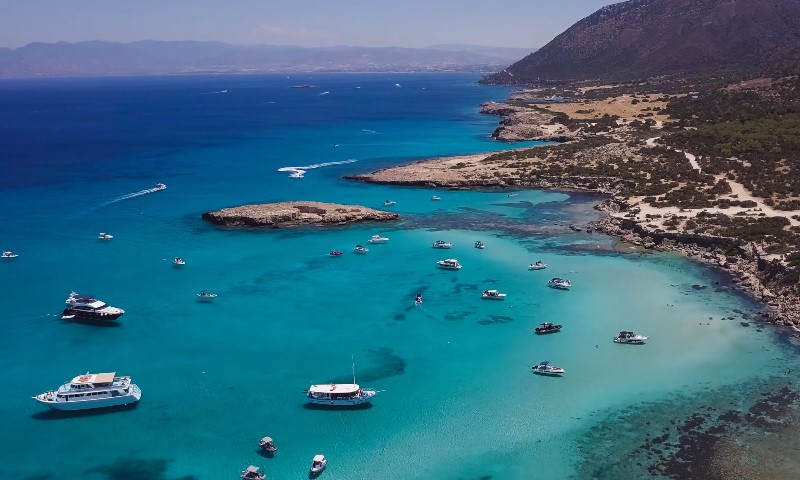
Protected areas and less-developed regions provide some of the best opportunities to experience quieter parts of Cyprus.
Akamas Peninsula is the main example, but forests, salt lakes, secluded coves, and smaller mountain roads also deserve attention.
Akamas Peninsula
Akamas Peninsula contains rugged cliffs, gravel tracks, rocky trails, remote beaches, and exceptionally clear water.
Development is limited across much of the peninsula, which helps preserve its wild character.
Blue Lagoon is one of Akamas’s best-known swimming areas because of its clear turquoise water. Boat excursions are common during warmer months.
Lara Beach has a very different character. Undeveloped sand provides protected nesting habitat for loggerhead and green sea turtles.
Visitors need to respect nesting zones, access rules, and conservation measures.
Polis Chrysochous offers a quieter coastal base on the northern side of Akamas. Its location gives travelers easier access to the peninsula without staying in one of Cyprus’s major resort centers.
Other Quiet Spots
Several areas outside Akamas are worth adding when nature is a priority.
Paphos Forest contains remote valleys, cedar trees, mountain roads, and routes toward Kykkos Monastery.
Limited development and long stretches without major settlements make preparation important before longer drives.
Larnaca Salt Lake becomes especially notable between late autumn and spring, when migratory flamingos may gather there. Water levels and migration patterns affect sightings. A trail around the lake also passes Hala Sultan Tekke.
Cape Greco has smaller coves and rocky swimming areas outside its busiest viewpoints.
Troodos also contains waterfalls, shaded forest paths, picnic areas, and quieter roads that receive fewer visitors than the main mountain villages.
The Best Outdoor Activities in Cyprus
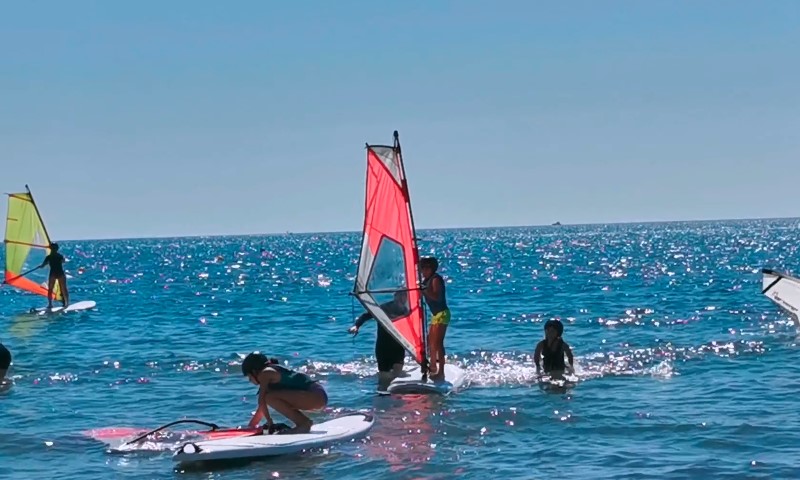
Outdoor activities are possible throughout much of the year, although summer heat can make timing critical.
Higher elevations in Troodos are generally better suited to walking during hot months, while coastal activities work best early in the day.
Some of the strongest options include:
- Hiking Artemis and Atalanti Trails around Mount Olympus
- Walking Smigies, Aphrodite, and Adonis trails in Akamas
- Swimming and coastal walking around Cape Greco
- Trail running around Paphos and Akamas
- Snorkeling and scuba diving
- Kayaking and sailing
- Cycling on coastal roads and mountain routes
- Turtle watching near Akamas and Lara Bay
- Birdwatching at Larnaca Salt Lake
Trail runners and hikers should take summer heat seriously, particularly at lower elevations. Early morning starts reduce exposure to the strongest daytime temperatures.
Cycling conditions vary sharply by location. Coastal routes can suit recreational riders, while Troodos climbs demand significantly more fitness and preparation.
Wildlife activities require additional care. Turtle nesting zones should never be disturbed, while birdwatchers at Larnaca Salt Lake should keep enough distance to avoid interfering with feeding or resting birds.
FAQs
Summary
Cyprus works best when beach days are combined with mountain villages, archaeological sites, forests, protected coastal areas, and local food.
Few itineraries need to focus on only one part of the island. A traveler can swim beside the Mediterranean, walk at elevations close to 2,000 meters, see Roman mosaics, visit a monastery, eat in a village taverna, and spend time on protected nature trails during the same vacation.
Places such as Troodos, Polis, Omodos, Paphos, Akamas, and Cape Greco deserve enough time for walking, local meals, swimming, and unplanned stops.
Slower pacing makes Cyprus feel much less like a conventional resort destination and much more like an island built for varied road trips and outdoor travel.